Alternatives & Second Source
How to Evaluate Alternative and Second-Source Electronic Components
A practical framework for evaluating alternative and second-source electronic components. Learn how to compare package, pinout, electrical characteristics, software dependencies, qualification and supply risk before approving a replacement.
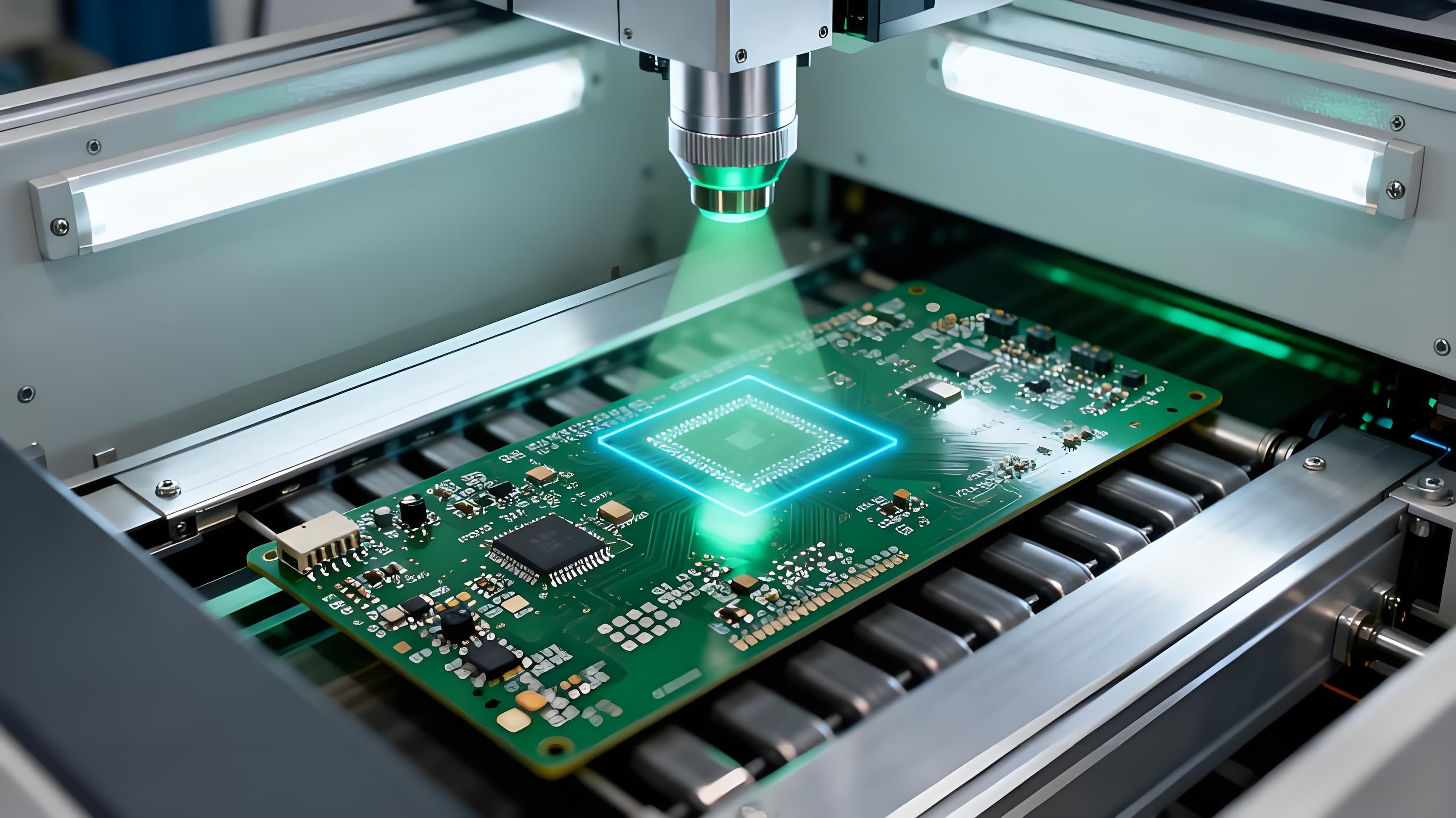
How to Evaluate Alternative and Second-Source Electronic Components
An alternative component should not be approved simply because its main specifications look similar.
A useful replacement must satisfy two questions:
- Can it work in the existing design?
- Does it actually improve the supply situation?
A technically compatible part with unstable supply is not a useful second source. Likewise, a widely available part is not a valid replacement if it requires unacceptable redesign or qualification work.
A good evaluation therefore combines technical compatibility, application requirements and supply continuity.
1. First define what kind of alternative you need
Not every “alternative” means the same thing.
| Type | Meaning |
|---|---|
| Same MPN, different supplier | Procurement alternative only |
| Same-function component | Similar function, but technical review required |
| Pin-compatible alternative | May fit the same footprint, but electrical and software checks are still required |
| Second-source component | Another manufacturer intended to reduce supply dependency |
| Redesign candidate | Can perform the required function but requires hardware or software changes |
This distinction matters because the validation effort can be very different.
Finding the exact same MPN from another supply channel is mainly a sourcing task.
Changing to another manufacturer or another device is an engineering decision.
2. Compare the parameters that can break compatibility
A datasheet comparison should focus on parameters that affect the real design rather than only headline specifications.
Typical checks include:
| Check | Why it matters |
|---|---|
| Package and footprint | Determines whether the existing PCB can be used |
| Pinout | Similar packages do not guarantee identical pin functions |
| Voltage and current limits | Prevents electrical overstress or insufficient performance |
| Operating temperature | Must match the application environment |
| Timing and frequency | Critical for digital, clock and communication devices |
| Interface | SPI, I²C, UART, CAN, USB and other interfaces may behave differently |
| Thermal performance | Can affect reliability and PCB design |
| Qualification | Industrial, automotive or other requirements may restrict options |
| Lifecycle | A replacement should not introduce another near-term supply problem |
The most important parameters depend on the component category.
For a power MOSFET, switching and thermal characteristics may matter more than software.
For an MCU or wireless module, hardware compatibility is only part of the evaluation.
3. Check software and system dependencies
Programmable and connected components often have hidden dependencies outside the datasheet table.
For example, replacing an MCU may affect:
- Pin mapping
- Peripheral configuration
- Boot process
- Firmware
- Compiler or toolchain
- Drivers
- Debugging tools
Replacing a wireless or cellular module may affect:
- AT commands
- Host drivers
- Network behavior
- Firmware versions
- Antenna design
- Regulatory or operator certification
This is why “pin-compatible” should not automatically be interpreted as “drop-in replacement.”
The correct question is:
What changes are required at PCB, firmware, system and qualification level?
4. Evaluate supply risk as carefully as technical similarity
A replacement is useful only if it improves the business problem that caused the evaluation.
Before approving a second source, review:
- Manufacturer lifecycle status
- Normal lead time
- Available manufacturing sources
- Regional availability
- MOQ / MPQ
- Packaging
- Historical supply stability
- Customer qualification requirements
- Expected product lifetime
For example, replacing one EOL component with another device already in NRND status would solve very little.
The objective should be to improve both:
technical sustainability
and
supply sustainability.
5. Use a simple validation checklist before approval
Before an alternative becomes an approved production part, confirm the relevant items.
Hardware
- Package and footprint checked
- Pinout checked
- Electrical limits checked
- Thermal requirements checked
- PCB changes identified
Software
- Firmware impact reviewed
- Drivers or commands tested
- Toolchain impact reviewed
- Interface behavior verified
Qualification
- Application requirements confirmed
- Environmental requirements checked
- Required certifications reviewed
- Customer approval completed where necessary
Supply
- Lifecycle reviewed
- Lead time reviewed
- Commercial availability confirmed
- Second-source benefit verified
Not every replacement requires every item on this list.
The checklist should match the component and application risk.
6. Avoid common replacement mistakes
Several mistakes repeatedly create unnecessary risk.
Comparing only one or two specifications
Matching voltage and package is not enough if pinout, timing or software behavior differs.
Assuming the same package means the same footprint
Package names can be similar while pad dimensions, exposed pads or pin assignments differ.
Recommending a replacement before understanding the application
A component that works in one design may fail in another because of temperature, RF, timing or qualification requirements.
Treating an alternative as guaranteed
Potential replacements should be presented as candidates until engineering and customer validation are complete.
Ignoring supply continuity
The goal is not merely to find another MPN.
The goal is to reduce dependency without creating a new supply problem.
A practical evaluation sequence
A useful workflow is:
Original MPN → reason for replacement → technical comparison → software/system review → supply-risk review → sample or engineering validation → customer approval → production qualification.
This sequence keeps procurement and engineering decisions connected.
How BOM-Cost supports alternative evaluation
BOM-Cost supports procurement and engineering teams with original-part sourcing, potential alternative identification and second-source evaluation.
When the requested MPN becomes difficult to source, the first step is usually to understand whether the problem can still be solved through original-part sourcing.
If a replacement is justified, potential candidates can then be compared against the available technical, application and supply requirements.
Alternative components remain subject to engineering review, testing and customer validation before production use.
Submit the original MPN or upload the BOM if multiple components require second-source review.
Need potential alternatives or a second-source review?
Submit the original MPN or BOM for evaluation. Final suitability remains subject to engineering and customer validation.